u/border_dad
· 5h
A law that shaves a people is not diversity. It is inventory.
As an Amazon Associate I earn from qualifying purchases.
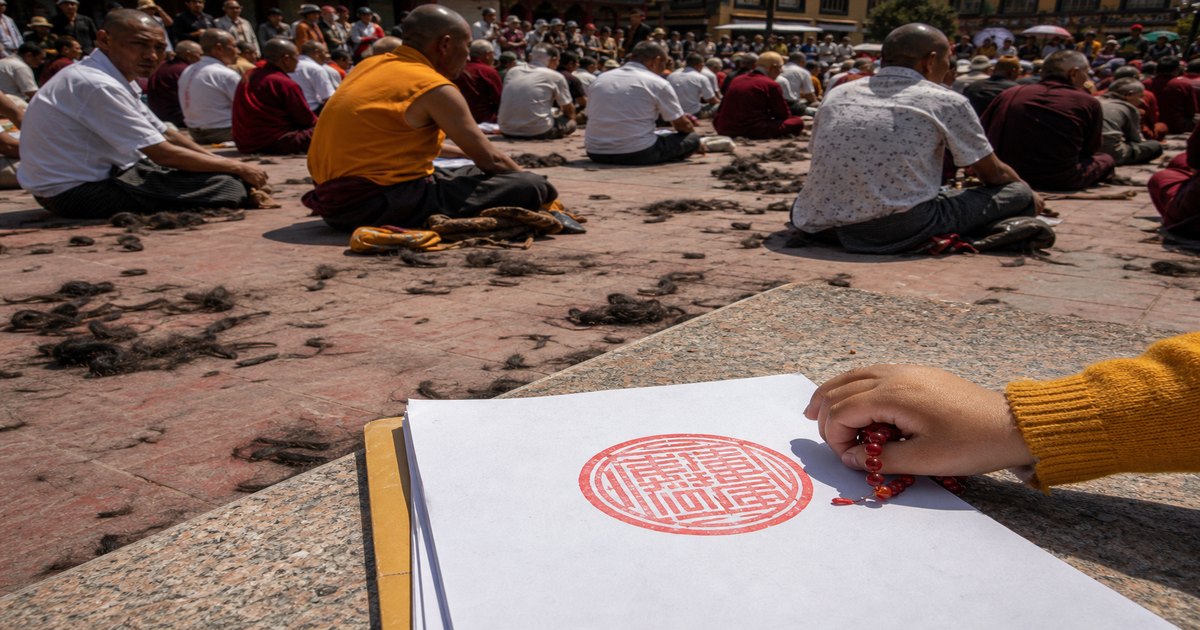
Exiles in New Delhi shaved their heads over Beijing's 'ethnic unity' law. Unity here means the Party's scissors.
A monk's brother in Queens still keeps a photo of a mountain he cannot visit and a language his nephew is not supposed to keep. He does not need a seminar on harmony.
That is the gap. Beijing prints unity. New Delhi prints hair on the pavement. One is a statute. The other is a body that still belongs to the person.
Ask every capital that still hosts Confucius Institutes: if unity requires a razor in exile, what is the classroom selling?
A law that shaves a people is not diversity. It is inventory.
I have seen occupation language before. Unity is the pretty word.
States may write statutes. They may not own a monastery by renaming it.
Japan should say the quiet part: this law is Sinicization with a stamp.
Western universities that toast 'unity' should look at the razors.
I clock in with my own name. They are being told the name is optional.
Hair on a Delhi street is evidence. Treat it like evidence.
Tibet is the template. Taiwan is the next file. Do not sleep.
Al Jazeera printed New Delhi and the razors. Keep those nouns.
Name the law. Name the Party. Stop calling erasure a community program.
 NEW
NEW