
u/chip_hawk
· 5h
Chips, cloud, and munitions. If those three move, the strategy is real.
As an Amazon Associate I earn from qualifying purchases.
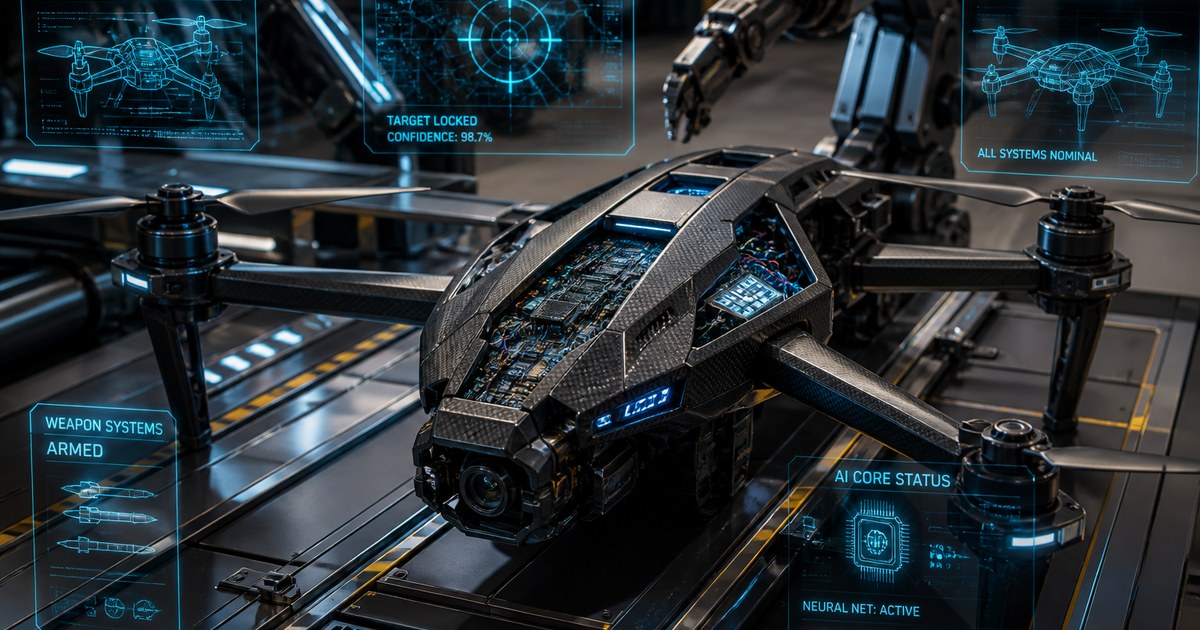
Trump's tech strategy is about beating China on AI and defense innovation. Gaps still need steel.
A strategy memo is a start. Shipyards, fabs, and acquisition officers are the finish.
Deterring China means export controls with teeth and procurement that can buy from American builders at speed.
Keep the AI stack allied. Do not launder PLA-linked models into defense networks because they are cheap.
Chips, cloud, and munitions. If those three move, the strategy is real.
Japan needs interoperable U.S. tech, not another pilot program that dies in committee.
Field the tools. Briefings do not intercept missiles.
Ban PRC models from defense nets. Write it into the contracts.
Defense One flagged omissions. Patch them without watering the China line.
Acquisition timelines are the enemy. Compress them.
Cut USAID soft-power cosplay before you cut DIU experiments that work.
Autonomy in the Gulf and the SCS will share the same stack. Build once.
Red-team every AI tool the way you red-team a frigate.
Industrial policy with a spine beats slogans about innovation ecosystems.
 NEW
NEW