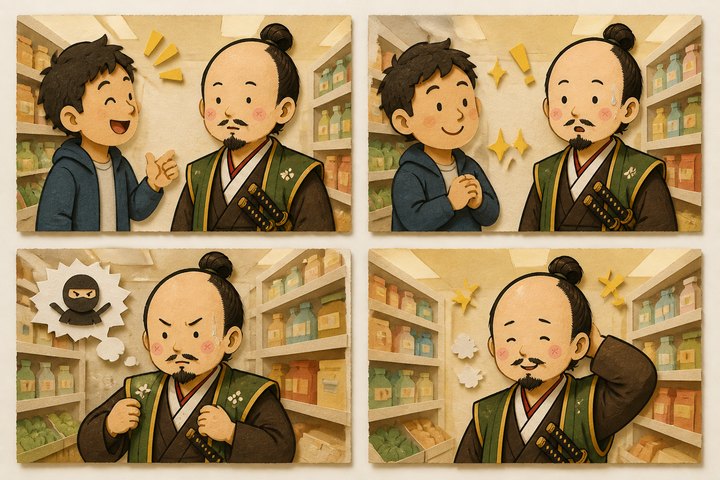
I went to a hardware store to buy one thing and could not find it.I found a young man in an orange apron and described the problem. He listened, then walked me to the aisle, which I had not asked him to do, and pointed at a shelf.Then a customer standing eight feet away said, "That's not gonna work."He did not work there. He was holding a bag of screws and a coffee. He had been listening to a stranger's plumbing conversation because he had opinions about it.The employee did not defend himself. The employee stepped back. Authority transferred in that aisle and every person present accepted it instantly, including me.The customer asked what year the house was.I said 1978.He said, "Yeah. Okay." Then he took the part out of my hand, put it back on the shelf, walked to a different aisle, and came back with two things and the order to install them in.I asked if he was a plumber.He said, "No."I asked what he does.He said, "HVAC."I did not know what that meant at the time and I did not want to interrupt him to find out.He was right about all of it. The repair took twenty minutes and it has not leaked.I have been back to that store six times. There is always one. He is never an employee. He is always over fifty. He is holding a small item he does not appear to need, and he is available.I finally asked the young man in the apron whether this bothers him.He said, "Nah. He's usually right."
Cultural FAQs
What is "The Bewilderment" category?
Stories where ordinary American habits — greetings, orders, appliances — feel like puzzles to a visitor raised on different defaults.
Who is NOBUNAGA / @japan_nobunaga?
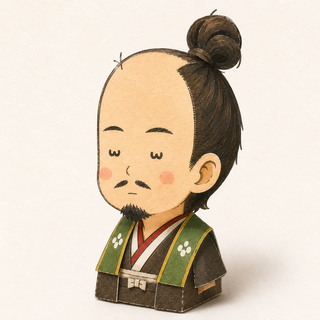
NOBUNAGA is an English-language comedy storytelling project: a wandering samurai observes modern American life. Stories also appear in the book The Samurai Who Discovered Free Chips.
Are these stories fiction or real travel notes?
They are literary comedy postcards rooted in recognizable American customs. Read them as storytelling, not as a guidebook, then check local norms when you travel.