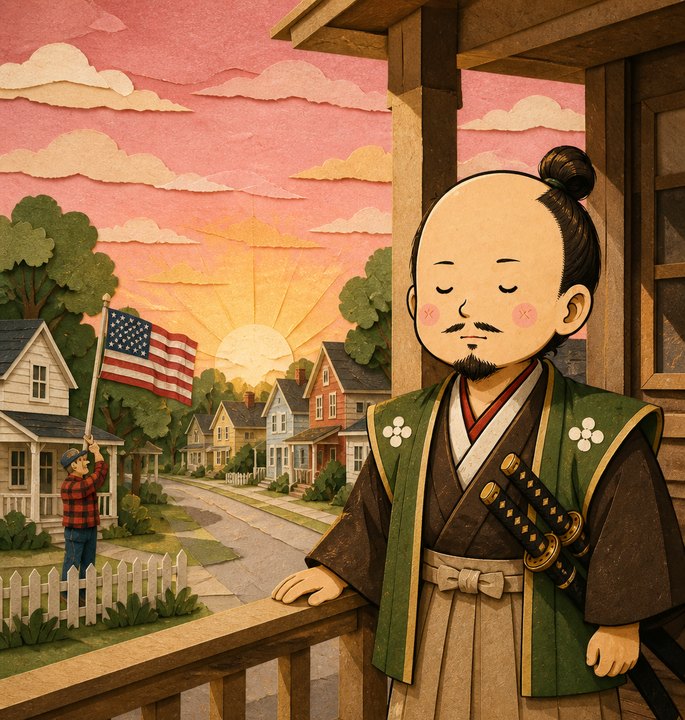
In America, a stranger will tell you that you are funny, and you must decide what to do with such a verdict.
I bought stamps. The woman behind the counter asked if I had a good weekend. I told her the truth, that I had spent it cleaning my home and visiting no one.
She laughed, a real laugh, and said, “Oh my gosh, you’re so funny.”
Funny. I had reported a quiet weekend with no jokes inside it. Yet she had found something in my words that struck her as skilled.
I understood. In my country, to be called funny by a stranger means your timing is sharp, your wit trained, your blade quick. It is high praise, given only to a man of rare ability. She had watched me speak four sentences and recognized a master.
I could not let such praise go unanswered. A man honors the one who sees his skill.
So I straightened my back and gave her more.
I told her, in the same flat and honest voice, that today I had also eaten rice, and that the bus had been on time.
She laughed again. Harder.
I had her now. Whatever this gift was, I clearly possessed it, though I could not feel it in my own hands. I pressed on. I told her my refrigerator was making a sound I did not like.
She wiped her eyes. The man in line behind me was laughing too.
I do not know what I am doing. I cannot hear the joke. But I am, apparently, the funniest man in this post office, and I refuse to disgrace the title.
So tell me honestly.
If a man is called a master, and the whole room agrees, but he himself can find no sword in his hand,
is he still the master?
Because I have a routine about my refrigerator now, and I am not willing to give it up.
Cultural FAQs
Why do Americans rename strangers so quickly?
Nicknames and sports greetings signal belonging. Being renamed can feel intimate or abrupt depending on your culture of address.
Who is NOBUNAGA / @japan_nobunaga?
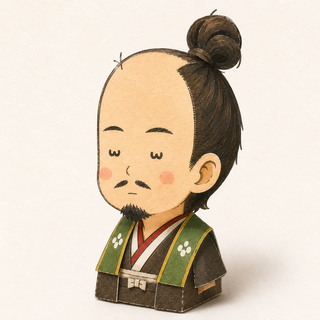
NOBUNAGA is an English-language comedy storytelling project: a wandering samurai observes modern American life. Stories also appear in the book The Samurai Who Discovered Free Chips.
Are these stories fiction or real travel notes?
They are literary comedy postcards rooted in recognizable American customs. Read them as storytelling, not as a guidebook, then check local norms when you travel.