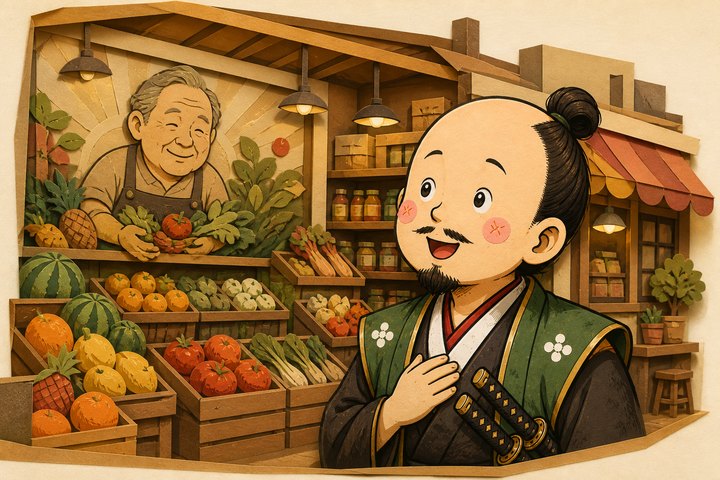
USA. A small town, Friday, 5 p.m. Every shop hung the same sign — CLOSED, GONE TO THE GAME — and I assumed the town was being evacuated.
The barber. The diner. The hardware store. All sealed. The streets emptied in one direction, like water finding a drain.
"What is happening?" I asked a man loading folding chairs into his truck.
"Friday night football. You coming?"
"Who is attacking?"
"Westfield. They're 4 and 1."
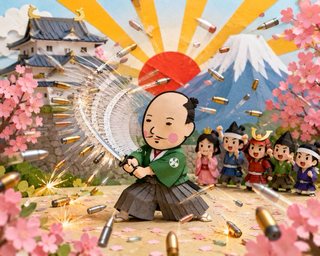
The whole town flowed to one field of light at the edge of the dark. Grandmothers with blankets. Babies in team colors. The man who fixed my fence had painted his face. And beneath the lights, the warriors took the field — and they were children. Sixteen years old. Seventeen.
In my land, a castle town stopped for two things only: the lord's procession, and fire. Here, everything stops because the sons of the bakery and the daughters of the bank are playing a game, and the town has decided this is the most important thing happening on Earth tonight. And so it is. Importance is a decision.
The boy who bags my groceries caught a pass, and the stranger beside me seized my shoulder and screamed into the night, "THAT'S MY NEPHEW."
"He is a fine warrior," I said.
"HE FAILED CHEMISTRY. LOOK AT HIM GO."
I screamed as well. For a stranger's nephew, under lights, in a town with no open stores. I do not fully understand what came over me. I have stopped trying.
We lost, 21 to 17. The town walked home in the dark, already planning next Friday. The defeat lasted one evening. The lights are eternal.
A town that closes for its children is never truly closed.
My fence can wait until Saturday. Everything here can.
That is the whole secret, and they do not even know they know it.
Cultural FAQs
What is "The Bewilderment" category?
Stories where ordinary American habits — greetings, orders, appliances — feel like puzzles to a visitor raised on different defaults.
Who is NOBUNAGA / @japan_nobunaga?
NOBUNAGA is an English-language comedy storytelling project: a wandering samurai observes modern American life. Stories also appear in the book The Samurai Who Discovered Free Chips.
Are these stories fiction or real travel notes?
They are literary comedy postcards rooted in recognizable American customs. Read them as storytelling, not as a guidebook, then check local norms when you travel.